THE STORY OF LES HAUTS D’AINHOA
Our Story
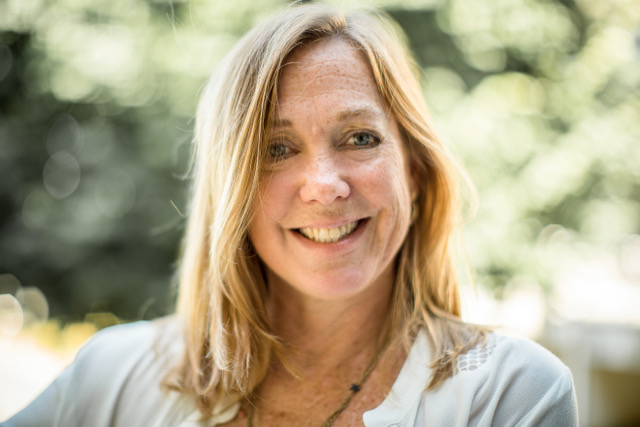
Lucy
Les Hauts d’Ainhoa is part of Maison Labatchenia, an old Basque house in the hills above Ainhoa in the French Basque Country. For several years, part of the house welcomed guests as a gîte, surrounded by mountains, old paths and traces of its working past.
The house has evolved gradually over the generations, but its stone, timber and relationship with the surrounding landscape remain at the heart of what makes it special.
Maison Labatchenia
The name Labatchenia comes from Basque and means “the oven house”, a name that preserves a connection with the old lime kiln that still stands beside the property.
There is also a small local mystery attached to the name. Although the house is written Labatchenia, people in Ainhoa have long called it “Lahatchenia”, with an h. Nobody seems to know quite why.
Over the generations, different parts of the house have been used for living, storage and work. Its thick stone walls, old timbers and close relationship with the surrounding landscape are all part of its character today.
The old lime kiln
The kiln was used to burn locally quarried limestone at high temperatures to produce lime, an essential material traditionally used for building, plastering and agriculture.
Maison Labatchenia was closely connected with this activity: part of the house was used to store lime, while a family who looked after the site lived here. The quarry, the kiln and even the name of the house are surviving traces of this working past.
Read the story of the lime kiln →
Bringing the house back to life
Over the years, different parts of Labatchenia have gradually been restored and adapted for new life, while preserving as much of the character of the old building as possible.
Part of the house became a holiday gîte, allowing visitors to stay in Ainhoa and discover the mountains, villages and coast of the French Basque Country. Stone, timber and the relationship between the house and its landscape continue to guide the way the property evolves.
The next chapter
Les Hauts d’Ainhoa is currently taking a break from welcoming guests while another part of Maison Labatchenia is transformed into a new three-bedroom gîte.
We hope to open the doors again in spring 2027, creating a new place to stay while keeping the character and history of the old Basque house at its heart.
We’ll share more as the work progresses.
Follow the journal →